
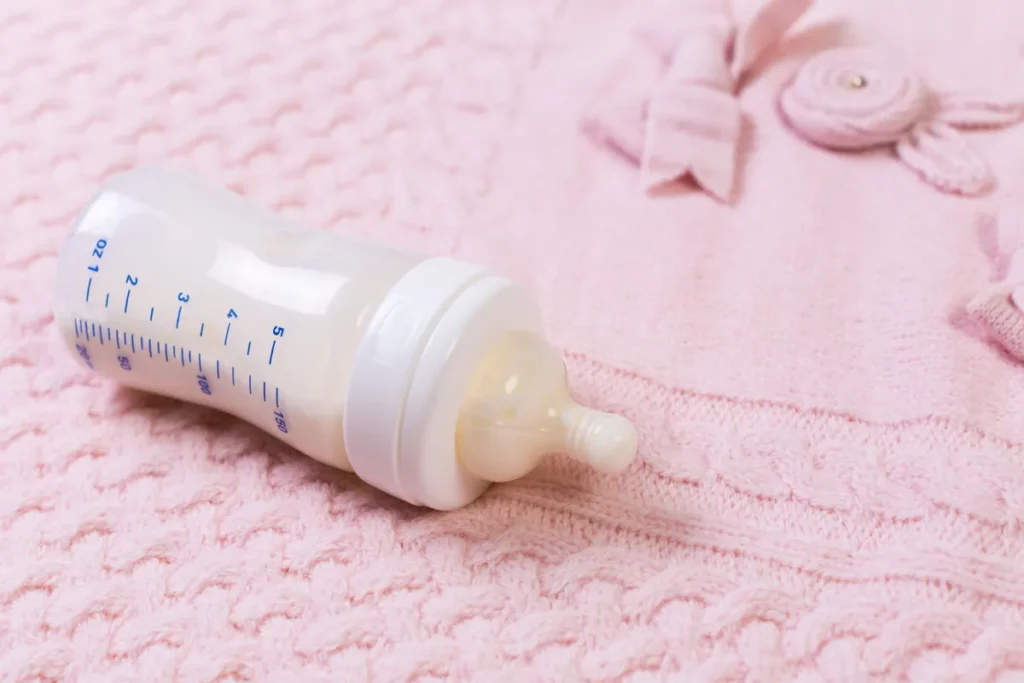
Top 10 Best Baby Feeding Bottles
Introduction to Baby Feeding Bottles Baby feeding bottles serve a crucial role in infant nutrition and are essential tools for new parents. These bottles allow for the safe and hygienic feeding of infants, particularly when breastfeeding is not possible or when parents opt for formula feeding. A well-constructed feeding bottle can assure parents of its safety and usability, ensuring their baby receives the required nourishment. When selecting a baby feeding bottle, there are several factors that parents should consider to ensure they choose a safe option. Firstly, the material of the bottle is paramount. Common materials include glass and plastic. Glass bottles, often regarded as the safer option due to their non-porous nature, do not harbour harmful chemicals. However, they may pose a risk of breaking. On the other hand, quality plastic bottles can be a lightweight and unbreakable alternative but must be BPA-free to ensure safety. The design of the bottle is another important consideration. Many parents prefer bottles that mimic the shape and feel of the breast, as this can make it easier for infants to switch between breastfeeding and bottle feeding. Additionally, the nipple size and flow rates should be appropriate for the baby’s age to prevent choking or frustration during feeding. Some bottles also offer adjustable flow options, catering to the evolving needs of growing infants. Lastly, ease of cleaning cannot be overstated. Feeding bottles with wide openings or those that are dishwasher-safe can save parents time and ensure proper hygiene. Understanding these key factors promotes informed choices when selecting a baby feeding bottle, ultimately supporting the health and happiness of the baby. Benefits of Using Safe Baby Feeding Bottles The selection of appropriate baby feeding bottles can significantly impact both the infant’s health and the ease of the feeding process for parents. Safe baby feeding bottles are designed with materials that are free from harmful chemicals, such as BPA, which can pose health risks to growing babies. Using high-quality bottles minimizes the risk of exposure to toxins that could interfere with a child’s development. Moreover, many safe feeding bottles are designed ergonomically, making them easier for parents to hold and manage during feeding. This is especially beneficial during night-time feedings or when traveling, as portability and ease of use can reduce the stress associated with feeding the baby on the go. Features like anti-colic designs can further enhance the feeding experience by reducing the chances of gas and discomfort, thereby ensuring the baby remains content and healthy. In addition, the convenience factor cannot be overlooked. Many safe bottles are compatible with both breast and formula feeding, allowing flexibility for parents who may be transitioning between feeding methods. The ability to easily clean and sterilize these bottles also contributes to the overall health assurance, as proper hygiene practices can help prevent infections and illnesses that infants are particularly susceptible to. Safety features such as leak-proof designs ensure that parents can place these bottles in a diaper bag without worrying about messes. Furthermore, modern baby feeding bottles are often lightweight and durable, ensuring they withstand repeated use and cleaning. Overall, opting for safe and high-quality feeding bottles provides peace of mind for parents, knowing they are contributing to their baby’s health while enjoying a hassle-free feeding experience. Materials Used in Baby Feeding Bottles. When selecting the best baby feeding bottles, understanding the materials used is crucial as they directly influence safety, durability, and ease of cleaning. The three most common materials utilized in baby feeding bottles are glass, plastic, and silicone, each offering distinct advantages and disadvantages. Glass bottles are highly favoured for their safety and durability. They are non-toxic and do not retain odours or stains, making them an effective option for feeding infants. Additionally, glass bottles can withstand high temperatures, allowing them to be sterilized easily. However, the primary drawback of glass bottles is their weight; they can be cumbersome for parents, especially during travel. They are also more prone to breaking if dropped, which can be a safety concern. On the other hand, plastic bottles are lightweight and often less expensive than their glass counterparts. They come in a variety of designs and can be easily squeezed, making them popular for both feeding and expressing. However, there are safety concerns associated with some types of plastic, particularly those that contain harmful chemicals like BPA (bisphenol A). Although many brands now offer BPA-free options, it is essential for parents to verify the safety of the plastic being used. Lastly, silicone feeding bottles are becoming increasingly popular. They are soft, flexible, and very durable, which helps prevent shattering, making them an ideal choice for on-the-go feeding. Silicone bottles are also resistant to heat and can easily be cleaned, as they can be placed in dishwashers. However, their relatively higher price points compared to plastic options may deter some buyers. Ultimately, the choice of material in baby feeding bottles comes down to personal preference and individual needs of both the baby and the caregiver. Understanding the pros and cons of each material type can greatly assist parents in making a well-informed decision. Essential Features of Baby Feeding Bottles. When selecting baby feeding bottles, it is vital to consider various features that contribute to the safety and convenience of feeding. One significant aspect is the nipple flow rate. Nipple flow rates should be suitable for your baby’s age and feeding habits. Bottles equipped with adjustable flow rates can accommodate a growing infant’s needs, ensuring they do not choke or become frustrated while feeding. Another critical feature is the design of the feeding bottle. Anti-colic designs have garnered much attention for their ability to reduce the amount of air swallowed during feeding, which can help minimize gas and discomfort in infants. Such designs often incorporate special vent or valves that prevent air from trapping into the milk, thus promoting healthier feeding experiences. Ease of cleaning is also a factor that should not be overlooked. Bottles with wide openings make it easier for parents to clean the interior thoroughly.
Top 10 Best Baby Feeding Bottles Read More »