Latest Post

baby feeding bottles

Top 10 Best Baby Feeding Bottles

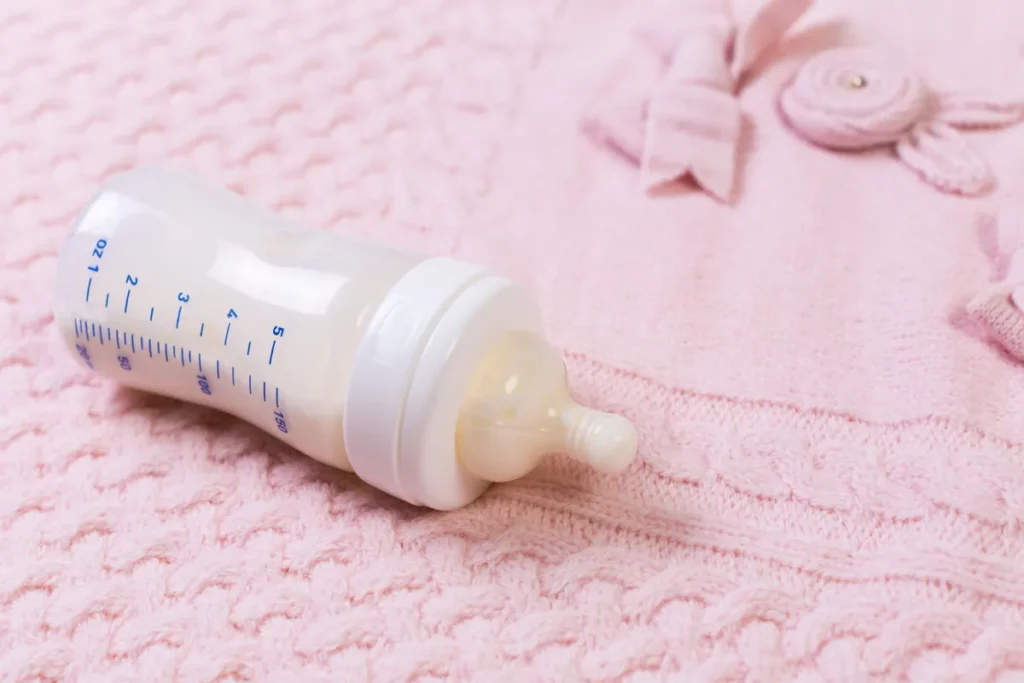
Introduction to Baby Feeding Bottles Baby feeding bottles serve a crucial role in infant nutrition and are essential tools for new parents. These bottles allow for the safe and hygienic feeding of infants, particularly when breastfeeding is not possible or when parents opt for formula feeding. A well-constructed feeding bottle can assure parents of its safety and usability, ensuring their baby receives the required nourishment. When selecting a baby feeding bottle, there are several factors that parents should consider to ensure they choose a safe option. Firstly, the material of the bottle is paramount. Common materials include glass and plastic. Glass bottles, often regarded as the safer option due to their non-porous nature, do not harbour harmful chemicals. However, they may pose a risk of breaking. On the other hand, quality plastic bottles can be a lightweight and unbreakable alternative but must be BPA-free to ensure safety. The design of the bottle is another important consideration. Many parents prefer bottles that mimic the shape and feel of the breast, as this can make it easier for infants to switch between breastfeeding and bottle feeding. Additionally, the nipple size and flow rates should be appropriate for the baby’s age to prevent choking or frustration during feeding. Some bottles also offer adjustable flow options, catering to the evolving needs of growing infants. Lastly, ease of cleaning cannot be overstated. Feeding bottles with wide openings or those that are dishwasher-safe can save parents time and ensure proper hygiene. Understanding these key factors promotes informed choices when selecting a baby feeding bottle, ultimately supporting the health and happiness of the baby. Benefits of Using Safe Baby Feeding Bottles The selection of appropriate baby feeding bottles can significantly impact both the infant’s health and the ease of the feeding process for parents. Safe baby feeding bottles are designed with materials that are free from harmful chemicals, such as BPA, which can pose health risks to growing babies. Using high-quality bottles minimizes the risk of exposure to toxins that could interfere with a child’s development. Moreover, many safe feeding bottles are designed ergonomically, making them easier for parents to hold and manage during feeding. This is especially beneficial during night-time feedings or when traveling, as portability and ease of use can reduce the stress associated with feeding the baby on the go. Features like anti-colic designs can further enhance the feeding experience by reducing the chances of gas and discomfort, thereby ensuring the baby remains content and healthy. In addition, the convenience factor cannot be overlooked. Many safe bottles are compatible with both breast and formula feeding, allowing flexibility for parents who may be transitioning between feeding methods. The ability to easily clean and sterilize these bottles also contributes to the overall health assurance, as proper hygiene practices can help prevent infections and illnesses that infants are particularly susceptible to. Safety features such as leak-proof designs ensure that parents can place these bottles in a diaper bag without worrying about messes. Furthermore, modern baby feeding bottles are often lightweight and durable, ensuring they withstand repeated use and cleaning. Overall, opting for safe and high-quality feeding bottles provides peace of mind for parents, knowing they are contributing to their baby’s health while enjoying a hassle-free feeding experience. Materials Used in Baby Feeding Bottles. When selecting the best baby feeding bottles, understanding the materials used is crucial as they directly influence safety, durability, and ease of cleaning. The three most common materials utilized in baby feeding bottles are glass, plastic, and silicone, each offering distinct advantages and disadvantages. Glass bottles are highly favoured for their safety and durability. They are non-toxic and do not retain odours or stains, making them an effective option for feeding infants. Additionally, glass bottles can withstand high temperatures, allowing them to be sterilized easily. However, the primary drawback of glass bottles is their weight; they can be cumbersome for parents, especially during travel. They are also more prone to breaking if dropped, which can be a safety concern. On the other hand, plastic bottles are lightweight and often less expensive than their glass counterparts. They come in a variety of designs and can be easily squeezed, making them popular for both feeding and expressing. However, there are safety concerns associated with some types of plastic, particularly those that contain harmful chemicals like BPA (bisphenol A). Although many brands now offer BPA-free options, it is essential for parents to verify the safety of the plastic being used. Lastly, silicone feeding bottles are becoming increasingly popular. They are soft, flexible, and very durable, which helps prevent shattering, making them an ideal choice for on-the-go feeding. Silicone bottles are also resistant to heat and can easily be cleaned, as they can be placed in dishwashers. However, their relatively higher price points compared to plastic options may deter some buyers. Ultimately, the choice of material in baby feeding bottles comes down to personal preference and individual needs of both the baby and the caregiver. Understanding the pros and cons of each material type can greatly assist parents in making a well-informed decision. Essential Features of Baby Feeding Bottles. When selecting baby feeding bottles, it is vital to consider various features that contribute to the safety and convenience of feeding. One significant aspect is the nipple flow rate. Nipple flow rates should be suitable for your baby’s age and feeding habits. Bottles equipped with adjustable flow rates can accommodate a growing infant’s needs, ensuring they do not choke or become frustrated while feeding. Another critical feature is the design of the feeding bottle. Anti-colic designs have garnered much attention for their ability to reduce the amount of air swallowed during feeding, which can help minimize gas and discomfort in infants. Such designs often incorporate special vent or valves that prevent air from trapping into the milk, thus promoting healthier feeding experiences. Ease of cleaning is also a factor that should not be overlooked. Bottles with wide openings make it easier for parents to clean the interior thoroughly.

Top 10 Best Baby Feeding Bottles Read More »

Complete Newborn Baby Care Guide for First-Time Mothers

Complete Newborn Baby Care Guide for First-Time Mothers

Understanding Newborn Needs Welcoming a newborn into the family brings joy and excitement, but it also comes with the responsibility of understanding their fundamental needs. Newborns, typically defined as infants from birth to 2 months old, require specific care, which can be categorized into three primary areas: feeding, sleeping, and hygiene. Feeding is one of the most critical aspects of newborn care. Depending on their specific needs and parental choices, infants may be fed breast milk or formula. Newborns have small stomachs and will typically consume small amounts frequently, roughly every 2 to 3 hours. Recognizing hunger cues, such as rooting or sucking on their hands, is essential for meeting their nutritional needs in a timely manner. Sleeping patterns in newborns vary significantly; they may sleep for 16 to 17 hours a day, interspersed with brief awake periods. Understanding that a newborn’s circadian rhythm is still developing is crucial as they often do not follow a day-night schedule. Creating a calm sleep environment and establishing a bedtime routine can assist infants in developing healthier sleep habits. In terms of hygiene, maintaining cleanliness is vital for a newborn’s health. This includes regular diaper changes to prevent rashes and ensuring proper bathing techniques to keep the baby safe and clean. New mothers should be aware of the signs that may indicate discomfort or distress, such as crying or fussiness, which often articulate their needs effectively. In the early weeks, establishing a daily routine can help both the infant and mother adapt. Observing and responding promptly to newborn signals not only fosters a secure environment but also promotes bonding between mother and child. By understanding these basic needs, new mothers can ensure their newborns thrive in those precious early days of life. Creating a Safe Sleep Environment Ensuring a safe sleep environment is a critical aspect of newborn care, particularly aimed at reducing the risk of Sudden Infant Death Syndrome (SIDS). First and foremost, it is essential for parents to follow the recommended sleeping positions. Infants should be placed on their backs to sleep, as this position has been shown to significantly lower the risk of SIDS. Adopting this sleeping position consistently during naps and nighttime sleep is vital. When it comes to safe crib practices, parents should adhere to specific guidelines. Cribs should meet current safety standards and be free from loose bedding, toys, and any non-essential items that present suffocation hazards. A fitted sheet on a firm mattress is all that should be present in the crib. Additionally, ensuring that the crib bars are spaced no more than 2-3/8 inches apart is crucial, as wider gaps may lead to entrapment. The ideal sleeping environment should also maintain a comfortable room temperature, typically between 68 to 72 degrees Fahrenheit. Overheating can be a risk factor associated with SIDS, thus utilizing lightweight clothing and swaddles instead of heavy blankets is advisable. A significant decision for new parents involves the choice between room-sharing and bed-sharing. While room-sharing—where the infant sleeps in the same room but in a separate crib or bassinet—has been associated with decreased SIDS risks, bed-sharing poses potential dangers, such as accidental suffocation. Most pediatricians recommend room-sharing for at least the first six months or even up to a year to promote safer sleep practices. In conclusion, creating a safe sleep environment for newborns involves careful adherence to recommended practices regarding sleeping positions, crib safety, room temperature, and sharing arrangements. By taking these steps, parents can create a conducive sleeping environment that promotes the health and safety of their little ones. Feeding Your Newborn Feeding your newborn is a crucial aspect of early parenting, ensuring that your baby receives the nourishment needed for healthy growth and development. Parents typically have three primary options when it comes to feeding: breastfeeding, formula feeding, and combination feeding. Each method has its advantages and unique challenges. Breastfeeding is highly recommended by health professionals because it provides newborns with essential nutrients, antibodies, and enzymes that boost their immune system. Ideally, newborns should be fed on demand, typically every 2 to 3 hours, as their stomachs are small and cannot hold large amounts of milk. Signs that your baby is hungry include rooting, smacking lips, and sucking on hands or fingers. When breastfeeding, mothers may encounter difficulties such as latching issues; seeking support from a lactation consultant can be beneficial in addressing these challenges. For mothers who choose formula feeding, nutritious options are widely available, including cow’s milk-based formulas, soy formulas, and specialized formulas for infants with specific needs. Formula feeding also allows for more flexibility in feeding schedules and enables partners to participate in the feeding process. However, parents must be vigilant about the frequency of feedings, as newborns still require nourishment every 2 to 4 hours. Combination feeding, which involves both breastfeeding and formula feeding, is a practical approach for many families. This method can help alleviate some of the pressure on breastfeeding while still providing the benefits of breast milk. Managing feeding challenges can include varying positions for breastfeeding, using different nipples for bottle feeding, and consistently monitoring your baby’s hunger cues to determine when feeding is needed. In conclusion, understanding the different feeding options and nutritional requirements is essential for first-time mothers. By familiarizing themselves with both the advantages and potential challenges, parents can make informed decisions that best suit their unique circumstances and promote their newborn’s health and well-being. The process of diapering is essential for your newborn’s comfort and hygiene. New parents often have to choose between disposable and cloth diapers. Disposable diapers are convenient, offering ease of use and efficient absorption. They are typically made of materials that wick moisture away from the skin, making them a preferred choice for many. On the other hand, cloth diapers, which have made a resurgence in recent years, are eco-friendly and can save costs in the long run. With various types available, including all-in-ones, prefolds, and pocket diapers, it’s crucial to find the right fit for your baby. When changing a diaper, a

Complete Newborn Baby Care Guide for First-Time Mothers Read More »

Best Baby Diapers in India for Newborns: 2026 Guide

Best Baby Diapers in India for Newborns: 2026 Guide

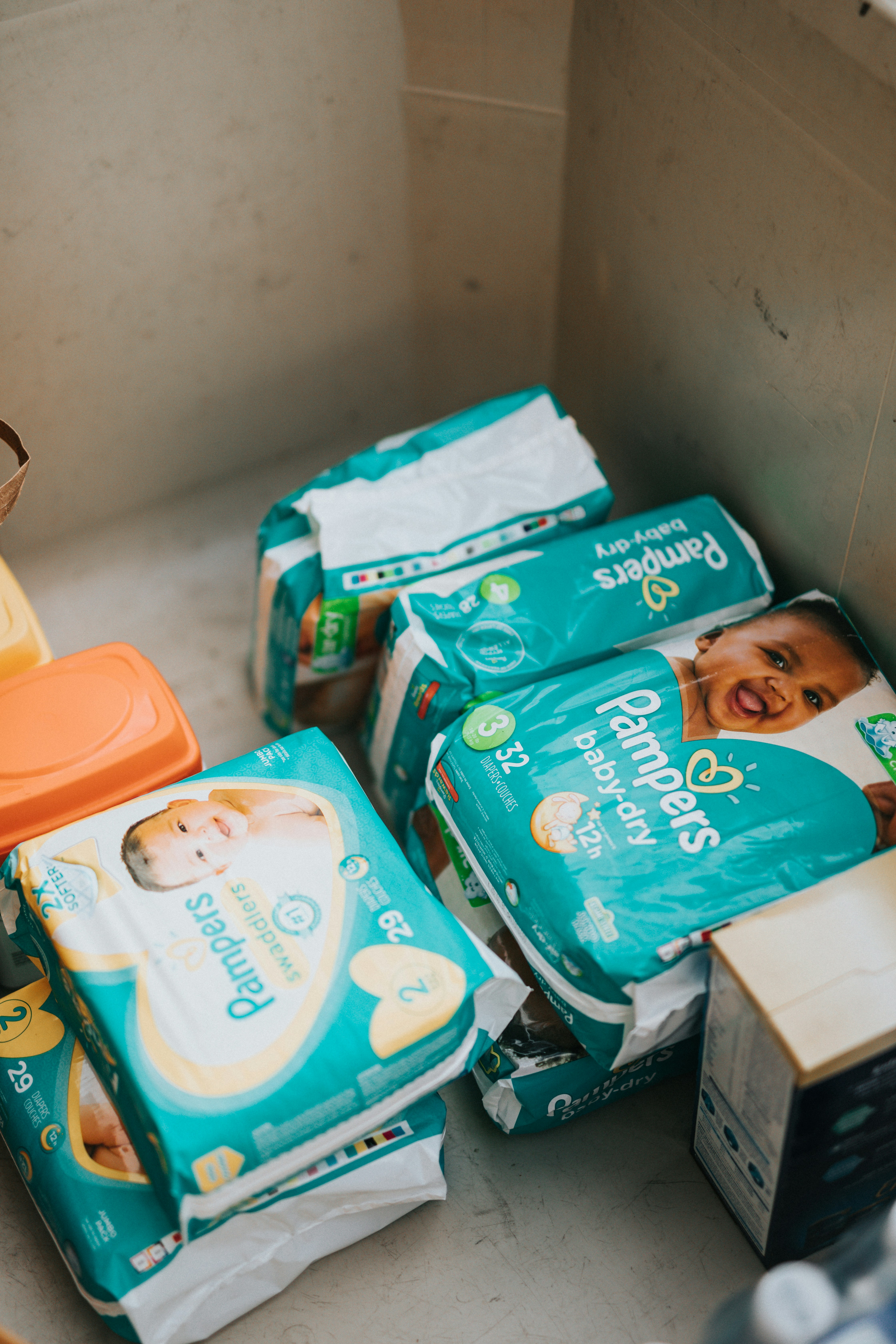
Introduction to Newborn Diapers Choosing the right diaper for a newborn is crucial for ensuring their comfort and health. Newborns have very sensitive skin, which is thinner and more delicate compared to that of older infants and toddlers. This sensitivity makes it imperative to select a diaper that maintains optimal hygiene and minimizes the risk of rashes, irritation, and allergic reactions. A well-chosen diaper not only provides absorbency but also contributes to the overall well-being of the baby. The market offers a variety of diapers designed specifically for newborns, each featuring different materials, absorbency levels, and fit. Many manufacturers focus on using soft, breathable fabrics that are gentle on the delicate skin of a newborn. These materials help in reducing friction and moisture buildup, which are common causes of diaper rash. Furthermore, it is advisable to consider the diaper’s size and fit; a snug yet comfortable fit is essential to prevent leaks while ensuring the baby feels at ease. Proper diaper selection also extends beyond just comfort. The right diaper can play a significant role in a newborn’s health. Newborns are susceptible to infections, and a diaper that prevents moisture retention and keeps the skin dry will contribute positively to their overall health. Parents should pay close attention to each diaper’s features, including absorbency rate and the presence of hypoallergenic materials, as these can have a direct effect on the baby’s skin. In conclusion, selecting the appropriate diaper for newborns is a vital decision that can influence their comfort, skin health, and well-being. With careful consideration, parents can find options that suit their baby’s specific needs and provide the required protection. By prioritizing the right diaper choices, caregivers not only enhance the baby’s daily experience but also promote a healthy development in those early days. Factors to Consider When Choosing Diapers When selecting the best baby diapers for newborns, parents must consider several critical factors to ensure the comfort and health of their child. Absorbency is perhaps the most important attribute, as it determines how well diapers can manage wetness and prevent skin irritation. High absorbency helps keep the baby’s skin dry, significantly reducing the risk of diaper rashes, which are quite common in newborns. The material of the diaper is another essential factor. Many diapers on the market are made from cotton or wood pulp, while others consist of synthetic materials. Parents should look for soft, breathable materials that allow air circulation, thus promoting skin health. It is advisable to avoid diapers with harsh chemicals or fragrances that can irritate sensitive skin. Moreover, achieving the right fit is crucial. Diapers should not be too tight, as this can cause discomfort and chafing, nor should they be too loose, as this can lead to leakage. Proper fit also varies according to the baby’s size and shape, so it is important to consider sizing charts provided by manufacturers. Additionally, parents should be aware of their child’s skin sensitivity. Some newborns may react adversely to certain materials or chemicals used in diaper production. Conducting patch tests with new brands can help identify suitable options. Lastly, environmental considerations are increasingly relevant; many families prefer disposable diapers made from biodegradable materials or opt for cloth diapers to minimize their ecological footprint. In conclusion, evaluating absorbency, materials, fit, and potential skin sensitivities is crucial for choosing the right diapers for newborns. By carefully considering these factors, parents can provide comfort and care that best supports the health of their little ones. Popular Types of Diapers Available in India The diaper market in India offers a variety of options tailored to meet the needs of modern parents. The most commonly available types include disposable diapers, cloth diapers, and eco-friendly alternatives. Each type comes with its own set of advantages and disadvantages, allowing parents to choose based on their lifestyle, budget, and environmental concerns. Disposable diapers are widely favored for their convenience and effectiveness in managing wetness. They are designed to be thrown away after use, eliminating the need for washing. Parents appreciate the ease of use, particularly for busy lifestyles, as these diapers are designed for high absorbency and leak control. On the downside, disposables can be expensive over time and contribute to landfill waste, raising environmental concerns. Cloth diapers, on the other hand, are making a comeback as parents seek more sustainable options. Typically made from natural fibers, these diapers are reusable and can be washed after each use. Cloth diapers can be significantly less expensive in the long run, and they are generally considered gentler on a baby’s skin due to their breathable materials. However, they require more maintenance, including washing and drying, which can be cumbersome for some caregivers. In recent years, eco-friendly diapers have emerged as a new option for environmentally conscious families. These diapers often consist of biodegradable materials and promise to be better for both the baby and the planet. They aim to combine the convenience of disposables with eco-friendliness, although they can sometimes be pricier compared to traditional disposable options. Ultimately, choosing the right type of diaper depends on individual preferences and values. Parents should weigh the pros and cons of each kind to find what best suits their needs while ensuring the comfort and hygiene of their newborns. Top Brands for Newborn Diapers in India (2026 Edition) When it comes to selecting the best newborn diapers in India, several brands have emerged as frontrunners in 2026, each offering distinctive features tailored for the comfort and care of newborns. These brands combine quality, reliability, and trust, and are favored by parents across the country. 1. Pampers – Pampers has long been synonymous with baby care in India. The brand offers a range of disposable diapers designed for optimal absorbency and breathability. Their newborn line includes diapers with a unique wetness indicator, making it easier for parents to manage diaper changes. Customer reviews often highlight Pampers for its softness and leak-proof design, which helps keep babies dry and comfortable. 2. Huggies – Huggies is renowned for its commitment to

Best Baby Diapers in India for Newborns: 2026 Guide Read More »